
Caribbean Resort by the Ocean: Get the View You Paid For
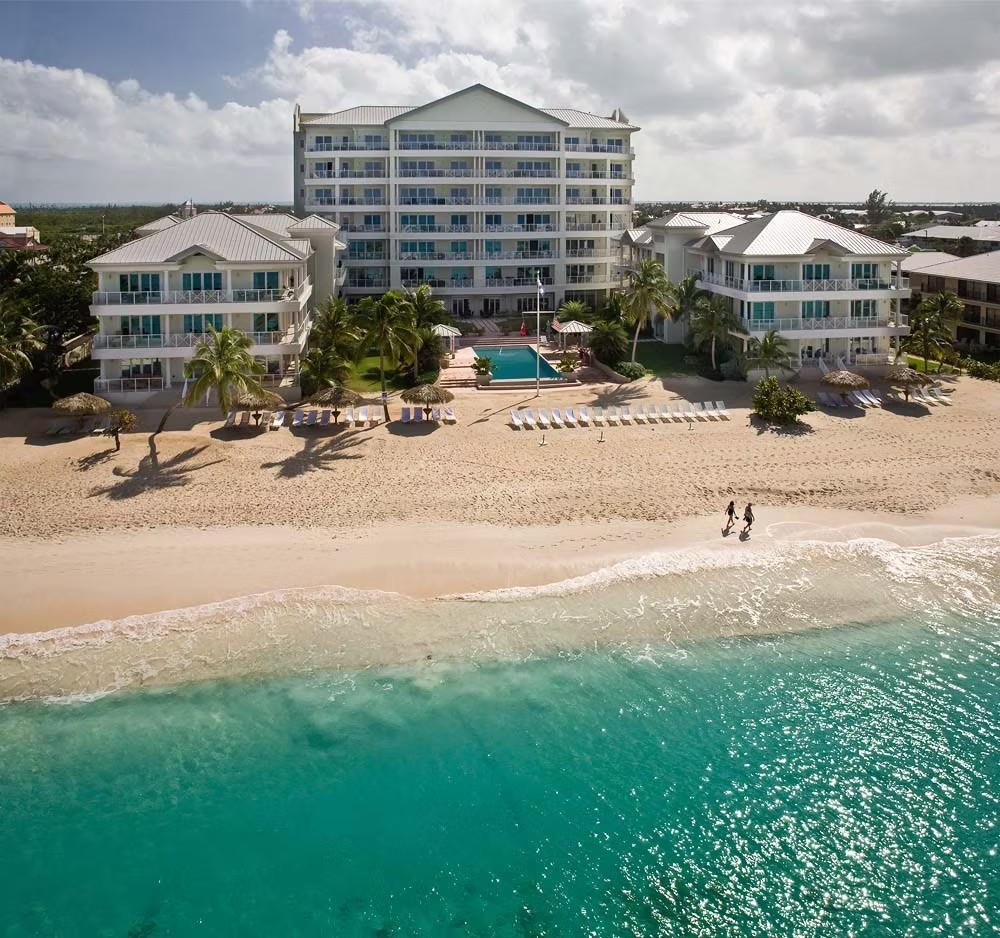
Everyone books the same picture. Water on three sides of the frame, a hammock, nothing between the bed and the sea. Then they arrive, open the curtains, and find a car park, a hedge, and a thin blue stripe in the top corner.
That gap between the photo and the room is almost always a vocabulary problem. A Caribbean resort by the ocean can mean the building sits on the sand, or it can mean the property is technically near water and the room you booked faces the gardens. Hotels are not usually lying. They are using words that mean specific things, and most guests do not know the definitions.
Once you do know them, this gets easy. This guide covers what each room category actually means, how to tell whether a beach is swimmable before you go, which coasts stay calm, and how to choose a floor and position that gives you the week you had in mind. It applies whether you are booking a big all inclusive or a twelve room boutique hotel.
Oceanfront, Ocean View, and the Words in Between
These terms are broadly consistent across the region, though never guaranteed.
Beachfront or oceanfront. The room or building sits directly on the beach with nothing between you and the sand. This is the one most people picture.
Ocean view. You can see the sea from the room, but something sits in between. Could be a pool, a lawn, another building.
Partial ocean view or ocean glimpse. You can see water if you stand in a particular spot on the balcony. Priced accordingly, and honestly labelled.
Swim up. Direct access to a pool, not to the sea. Frequently confused with beachfront.
Garden view or island view. No sea. Often the best value at a property where you will not be in the room much anyway.
One useful rule: if the description does not say oceanfront, assume it is not. Resorts are precise about that word because it is the one people pay a premium for.
Choosing an Oceanfront Resort on the Right Coast
The side of the island matters more than the brand on the sign.
Most Caribbean islands have a calm side and a rough side. The western and southern coasts usually face the sheltered Caribbean Sea and stay swimmable most of the year. Eastern and northern coasts face the Atlantic, which gives you dramatic scenery, strong surf, and water that is often not suitable for young children.
Both are legitimate. A beachfront room on an Atlantic coast is spectacular to look at and loud at night, in a good way if you like that. Just book it knowing what you are getting.
Worth checking before you commit:
Which coast is the property on, and is the beach protected by a reef?
Is the beach public or private, and is it walkable at low tide?
Is there a shore break or a gradual entry?
Does the resort have its own beach, or a shared stretch with loungers?
Is there shade, or is it open sand all day?
Seaweed, Storms, and Timing Your Trip
Two seasonal factors decide a lot about a beach week, and both are easy to check in advance.
Sargassum. This floating seaweed reaches some Caribbean coastlines seasonally, and the impact varies enormously by island and by coast. Atlantic facing shores get more of it than sheltered western beaches. The University of South Florida runs a public Sargassum Watch System with satellite imagery and monthly outlook bulletins, which is a far better planning tool than a hotel photo. It is also worth asking a property directly what their daily beach cleaning routine is, because the good ones have one.
Weather. The Atlantic hurricane season runs June 1 to November 30, with most activity between mid August and mid October. Islands further south, including Aruba, Curaçao, Grenada, and Trinidad, sit away from the most active tracks. Late April through June tends to give you strong weather with noticeably lower rates.
For water quality and beach management, the Blue Flag programme certifies beaches internationally on bathing water quality, safety, and accessibility, which is a useful independent filter when a stretch of coast has several properties on it.
Picking the Right Room at a Beachfront Resort
Two rooms in the same category can deliver very different weeks. These are the requests worth making.
Ask for a floor, not just a category. Ground floor gives you direct beach access and more foot traffic outside. Higher floors give you the view and quiet, and stairs if the property has no lift.
Ask which end of the building. Rooms near the pool bar or the entertainment stage are lively until late. Rooms at the far end are quiet and a longer walk.
Ask about the balcony. Is it furnished, private, and deep enough to sit on properly? Some are decorative.
Ask about the sun. East facing balconies get morning sun. West facing gets the sunset and the afternoon heat.
Ask for a room number, not a promise. Good properties will confirm a specific room for a request that matters to you.
That last one is where working with an advisor earns its keep. Hotel partnerships often mean a confirmed room assignment, plus upgrades, resort credit, or breakfast at the same rate you would pay on your own. That is a large part of what our travel planning service does day to day.
Is Beachfront Always Worth the Premium?
Not always, and it is worth being honest about how you actually travel.
Beachfront makes sense if you plan to be in the room a lot, if you are travelling with someone with mobility limits, if the sunrise or sunset genuinely matters to you, or if you are celebrating something and the view is part of the point.
It makes less sense if you are out all day, if you want the largest possible room for the money, or if you are staying somewhere the whole property is thirty seconds from the sand anyway. On small boutique properties, a garden room is often the smarter buy.
A good middle path on many islands: book a mid category room at a genuinely oceanfront property rather than the top category at an ocean view one.
Get the Room You Pictured
Booking a Caribbean resort by the ocean comes down to three things. Know what the room category words actually mean, so oceanfront and ocean view are not a surprise. Check the coast and the season, because a calm reef protected beach in May is a different holiday from an Atlantic shore in September. Then make specific room requests instead of hoping, because floor, end of building, and balcony orientation decide how the week feels.
Do that and the picture in your head and the view from the balcony finally match.
If you want help matching a property to the beach conditions in your travel window, browse the destinations we cover, take a look at our Caribbean trips, or tell us your dates through Plan My Trip.
