
All Inclusive Caribbean Resorts: How to Pick the Right One
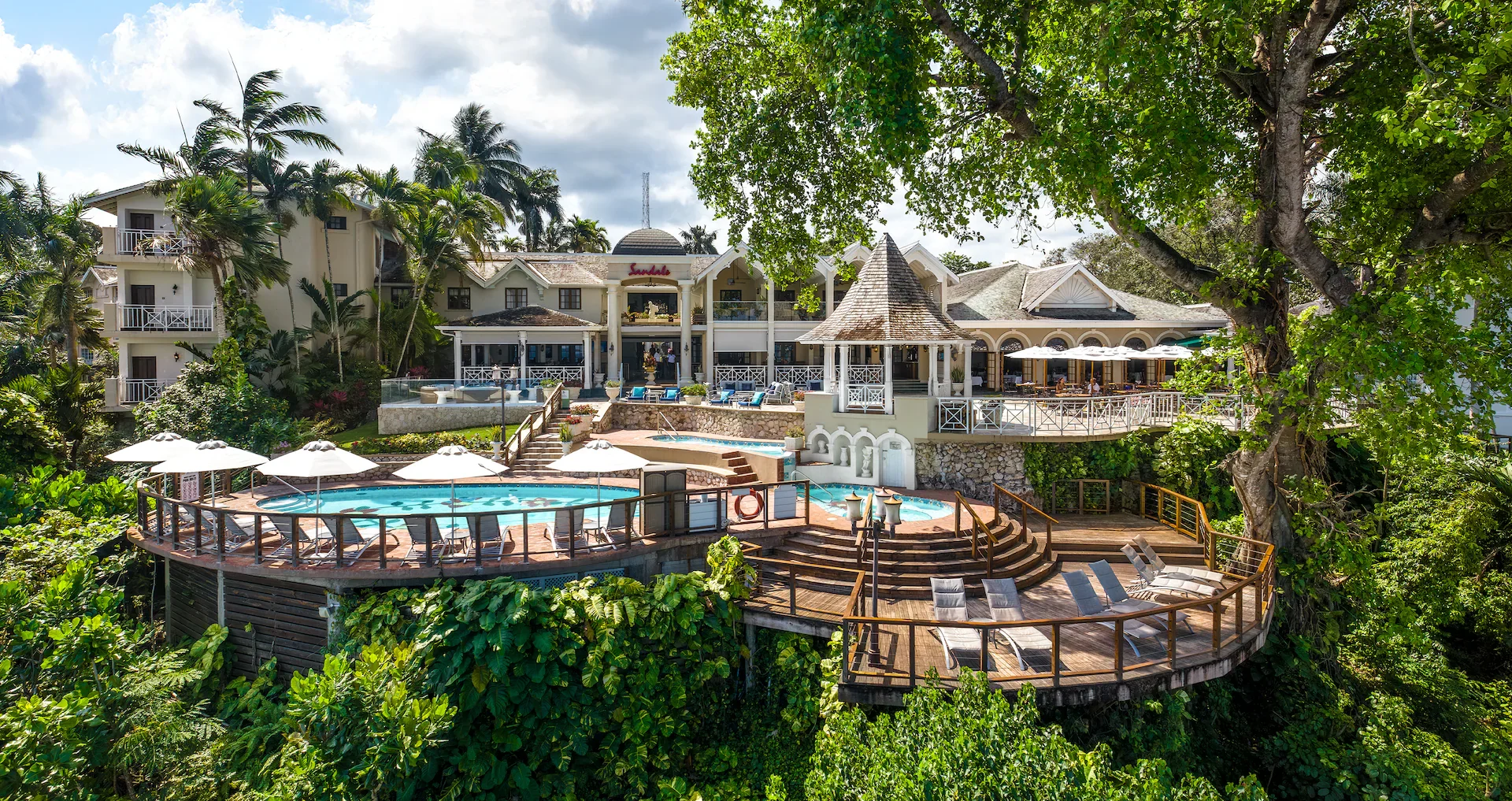
The phrase does a lot of heavy lifting. Two properties on the same beach can both call themselves all inclusive, and one of them hands you a wristband and a buffet while the other gives you a butler, four restaurants you need to book, and a boat that leaves at nine. Same label. Completely different week.
That gap is why so many people come home from all inclusive Caribbean resorts feeling like the trip was fine but not quite what they pictured. They did not book the wrong island. They booked the wrong tier, or they missed the line in the fine print about which activities cost extra.
The good news is that this is one of the easier things in travel to get right, as long as you know what to ask before you pay. This guide walks through what all inclusive actually covers, how the different tiers really differ, where the surprise costs hide, and how to tell whether this style of trip suits the people you are travelling with. No rankings, no top ten. Just the questions that decide whether you spend the week relaxed or quietly doing maths at dinner.
What All Inclusive Caribbean Resorts Usually Include
Almost every property in this category covers the same core:
Your room
All meals, usually a buffet plus a few sit down restaurants
Local brand drinks, soft drinks, and snacks
Non motorised watersports such as kayaks, paddleboards, and snorkel gear
Pools, beach loungers, fitness centre, and the daily activity schedule
Taxes and service charges, in most cases
What is very often not included, even at good properties:
Airport transfers
Premium spirits and wine by the bottle
Speciality restaurants, or a limited number of visits to them
Spa treatments
Motorised watersports, scuba diving, and boat charters
Excursions off the property
Wifi at the older properties, though this is getting rarer
None of that is a scandal. It only becomes a problem when you budget for a fully covered week and then spend another few hundred on the things you assumed were part of the deal.
The Tiers of All Inclusive Caribbean Resorts
Thinking in tiers is far more useful than thinking in star ratings.
Family All Inclusive

Built around kids clubs, shallow pools, and dining that runs early. Rooms tend to include connecting options and sofa beds. The trade off is volume. These properties are busy by design, and quiet is not the product.
Adults Only
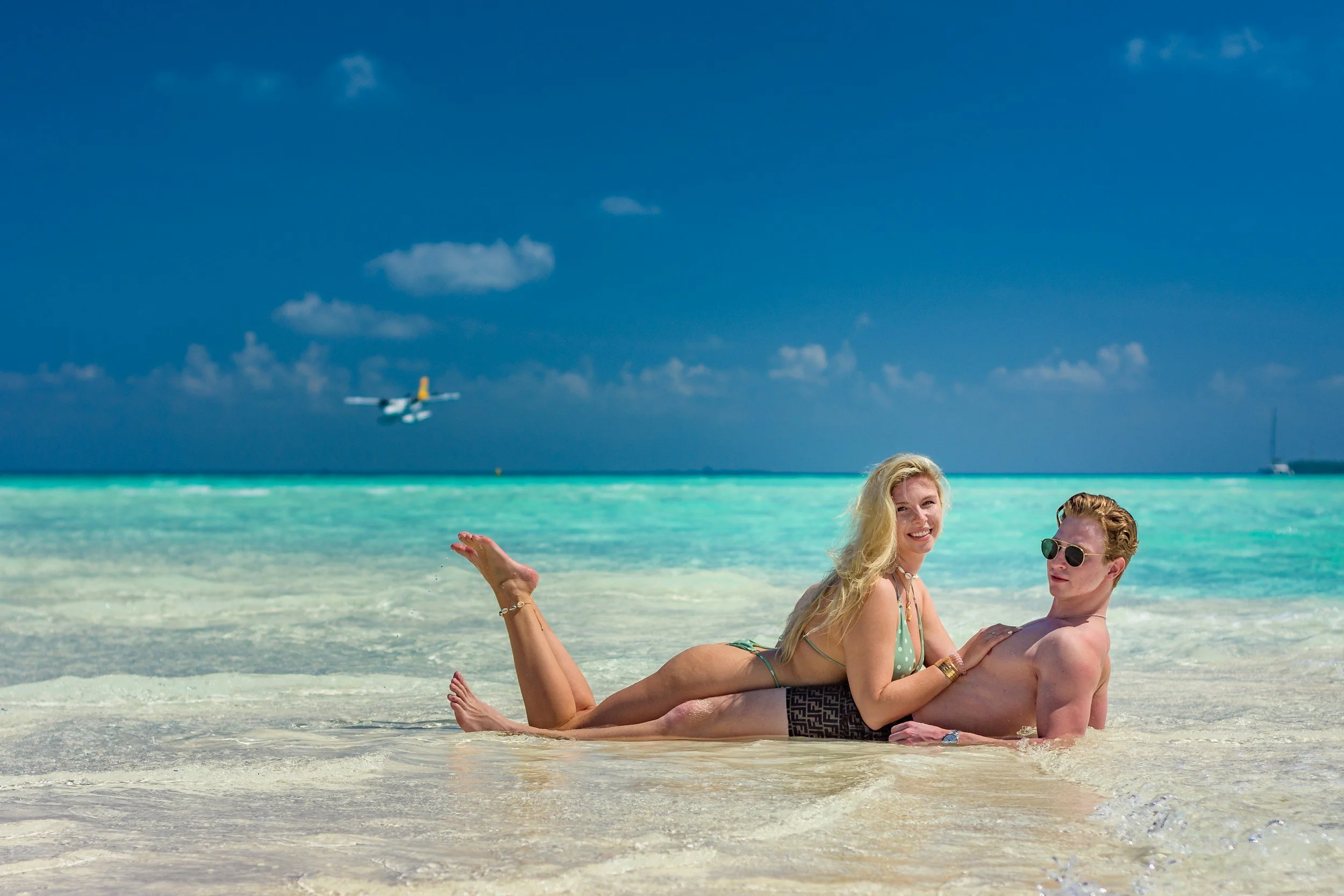
Same all inclusive model, no children on site. Quieter pools, later dining, more of a bar scene. Worth checking the age cut off, because some are 16 and up and some are 18 and up.
Boutique and Small Luxury
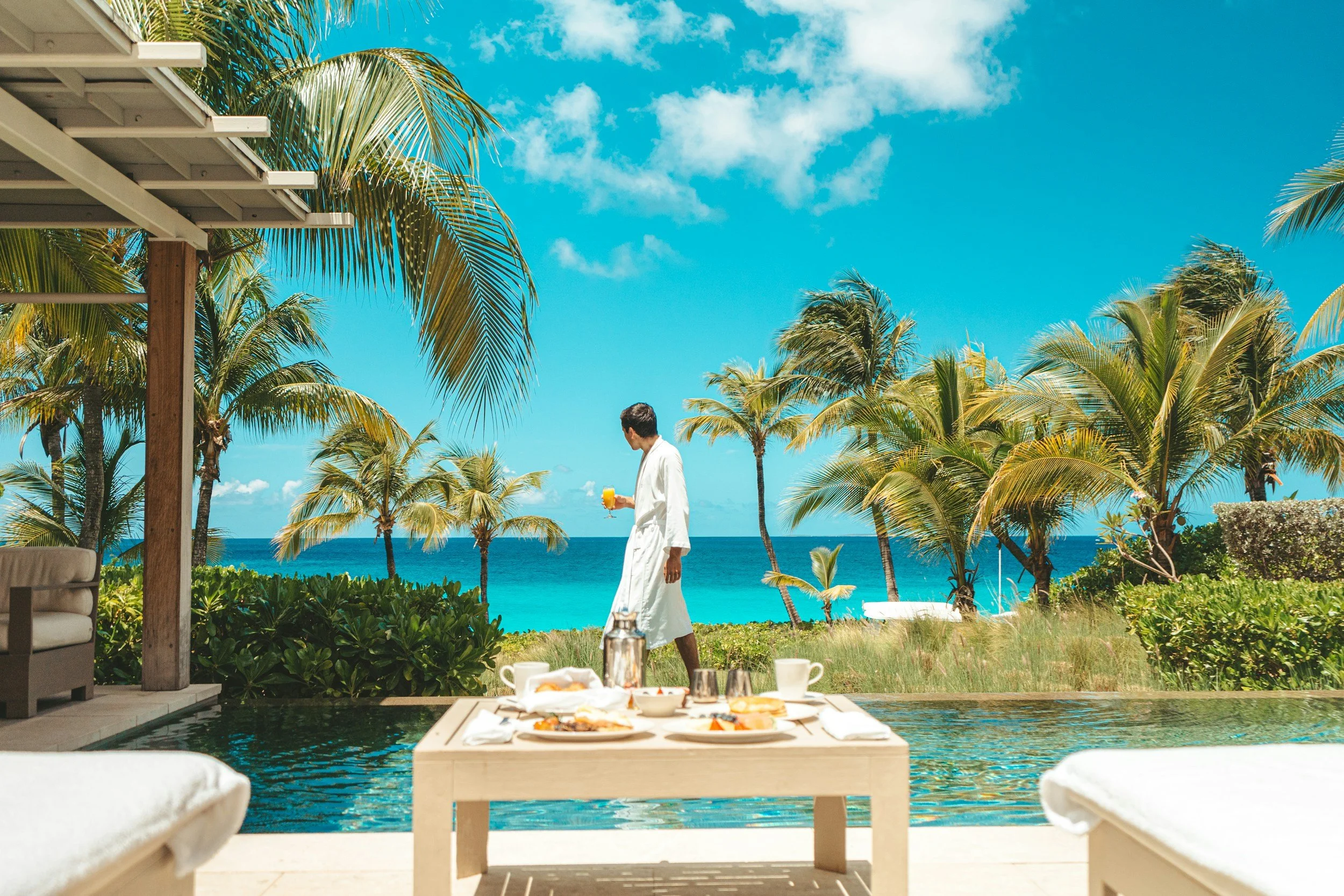
Usually under a hundred rooms. Fewer restaurants but better ones, more personal service, and often a stronger sense of where you actually are. These properties tend to include more by default rather than upselling you all week.
Ultra Luxury All Inclusive
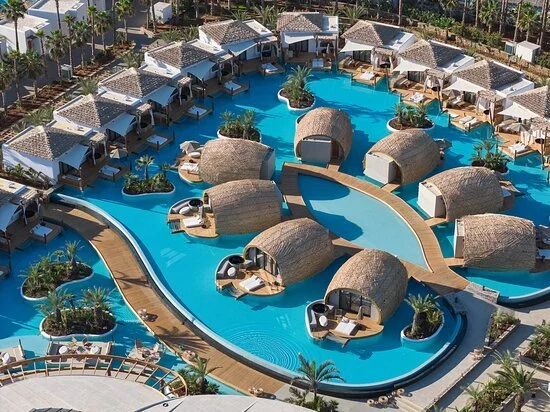
Everything is covered, including premium spirits, most excursions, and sometimes even transfers. The nightly rate looks alarming until you add up what you would have spent elsewhere.
Most disappointment comes from booking a tier below what you actually wanted. If you are hoping for calm and you book a family property in July, that is a tier problem, not a resort problem.
Where the Fine Print Hides
Before you book any Caribbean all inclusive package, get clear answers on these six:
How many restaurants are included, and do they require reservations? At busy properties the good tables are gone by day one.
What is the drinks policy? Local brands only, or premium included? Is there a per drink limit?
Are transfers included, and how long is the drive? A ninety minute transfer with tired children changes the whole arrival day.
What is the resort fee or environmental levy? Several islands charge a nightly per person amount that is collected at checkout.
Which watersports are free? Kayaks usually yes. Jet skis and diving almost never.
What happens if the beach has seaweed? More on that below.
That last one deserves a note. Sargassum seaweed arrives on some Caribbean coastlines seasonally, and it varies a lot by island and by side of the island. The University of South Florida runs a public Sargassum Watch System with satellite tracking and monthly bulletins, which is a far better source than a resort photo taken in a good week.
When an All Inclusive Resort Is the Right Call
This style genuinely shines in a few situations:
Families with young children. Not having to find lunch every day is worth real money.
Groups splitting costs. One number per person removes the most annoying conversation in group travel.
Short trips. On four nights, convenience beats exploration.
First time visitors. A soft landing on an unfamiliar island is a reasonable thing to want.
It suits you less well if you are a serious eater, if you like moving around, or if you are going somewhere with a strong food culture just outside the gate. In those cases a smaller hotel plus a few planned experiences usually delivers more for the same spend. Our Caribbean destinations guide covers more than twenty islands and gives a sense of which ones reward stepping out.
Getting More From the Same Booking
Two travellers can book the same room at the same property for the same week and have very different trips. The difference is usually in these details.
Ask about room categories, not just room types. A garden room and an ocean view room can be the same size with a very different week attached.
Book speciality restaurants before you arrive. Some properties open reservations weeks ahead.
Mention the occasion. Birthdays, anniversaries, and honeymoons often unlock something small and free.
Plan one or two days off property. A single good excursion is usually what people remember from the week.
Book through an advisor with hotel partnerships. Room upgrades, resort credits, breakfast, and early check in are frequently available at the same rate you would pay yourself. This is one of the main reasons our travel planning service exists.
Season, Weather, and What You Pay
Rates in the region move with the calendar more than with anything else.
Mid December to mid April is high season. Best weather, highest prices, busiest properties.
Late April to June is the sweet spot for value. Weather is still strong, rates drop noticeably.
June through November is the Atlantic hurricane season, which NOAA’s National Hurricane Center defines as June 1 to November 30, with peak activity between mid August and mid October.
Travelling in the shoulder months is a real strategy, not a compromise. Just pair it with proper travel insurance and a flexible booking, and pay attention to which islands sit further south and outside the most active storm tracks.
Book the Resort, Then Book the Week
All inclusive Caribbean resorts work best when you treat the property as the base rather than the whole holiday. Pick the tier that matches the trip you actually want, read the fine print on transfers, dining, and drinks, and check the beach conditions for your travel window rather than trusting the brochure photo.
Then give yourself one or two days outside the gate. A morning at a local market, a boat afternoon, a meal somewhere nobody is wearing a wristband. That is almost always the part people talk about when they get home.
If you would rather not sort through a hundred near identical properties on your own, have a look at our Caribbean trips or tell us what you are after through Plan My Trip. We will match the tier to the trip.
